Why Your Gut Doesn’t Need a Supplement Shelf to Thrive
Walk into any pharmacy or scroll through social media and you’ll be met with a tidal wave of gut‑health products — powders, gummies, capsules, “detoxes,” fibre blends, and probiotic cocktails promising everything from better digestion to glowing skin. It’s no wonder so many people feel they should be taking something.
The marketing is slick, the claims bold, and the pressure is real.
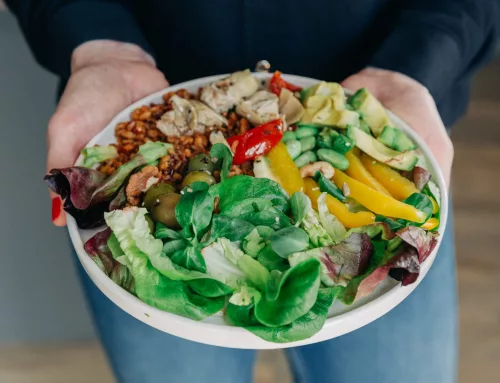
But here’s the truth we don’t hear often enough: most people don’t need supplements for good gut health and in fact the most effective strategies are often the simplest, and cheapest. Our digestive system is remarkably capable when we give it the basics—varied plant foods, enough fibre from real meals, hydration, movement, and a rhythm that supports regularity. Yet the wellness industry has turned normal digestive fluctuations into problems to be fixed and everyday foods into something “not quite enough.”
This blog cuts through the noise. We’ll explore why supplements are so heavily marketed, when they might be useful, and why whole foods remain the quiet, unglamorous heroes of a healthy gut.
Why Gut Health Matters
Your gut does more than just digest food. It plays a key role in:
- Digestion and nutrient absorption
- Immune function
- Hormone regulation
- Appetite and cravings
- Even mood and energy levels
When your gut isn’t functioning well, you might notice:
- Bloating
- Irregular bowel habits (constipation or diarrhoea)
- Excess gas
- Food sensitivities
- Fatigue
Why gut health products are so heavily marketed
The gut‑health space is a marketer’s dream. It sits at the intersection of three powerful forces: confusion, discomfort, and hope. Most people experience bloating, constipation, loose stools, or digestive swings at some point — all completely normal — but the wellness industry has reframed these fluctuations as problems needing a product. The marketing is so intense because:
- Digestive symptoms are common and frustrating, which makes people understandably vulnerable to quick fixes.
- Gut health is complex, so it’s easy for brands to position themselves as the missing piece you didn’t know you needed.
- Supplements are highly profitable, often far more than whole foods or lifestyle advice.
- Bold claims sell, even when the evidence behind them is thin or taken wildly out of context.
- Influencer culture amplifies everything, turning personal anecdotes into “proof” and normalising daily supplement routines as essential.

The good news! You can improve gut health without relying on gut supplements.
- Focus on Fibre First (Not Supplements)
Fibre is the fuel your gut bacteria rely on. When you feed them well, they produce beneficial compounds — like short‑chain fatty acids — that help keep your digestion regular, support your immune system, and even influence mood and inflammation. It’s one of the simplest, most evidence‑backed ways to nurture your gut.
Most adults benefit from aiming for around 25–30g of fibre per day, but the good news is you don’t need expensive products to get there. Some of the best sources are also the most affordable.
Affordable, Everyday Fibre Sources
These foods quietly do the heavy lifting for gut health:
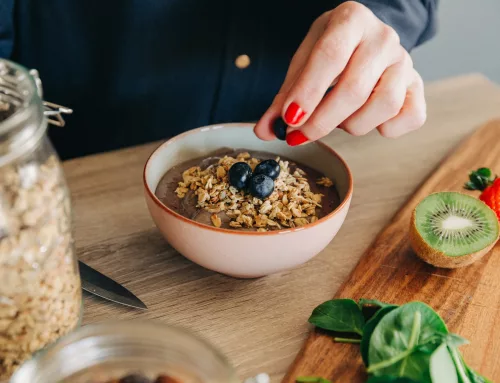
- Porridge oats – cheap, versatile, and rich in soluble fibre
- Wholemeal bread – an easy swap that adds several grams of fibre without effort
- Potatoes with the skin – budget‑friendly and surprisingly high in fibre
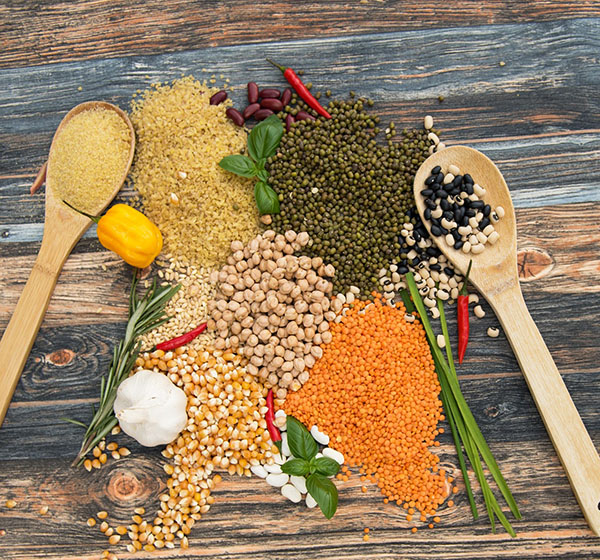
- Tinned beans and lentils – chickpeas, kidney beans, butter beans, lentils; all inexpensive and packed with fibre and protein
- Frozen vegetables – just as nutritious as fresh, often cheaper, and zero waste
- Fruit like apples, bananas, and berries – fresh or frozen both work beautifully
- Herbs – fresh or dried, they add small but meaningful amounts of fibre and polyphenols
- Nuts and seeds – even a tablespoon of chia, ground flaxseed, or mixed seeds boosts fibre quickly
These foods don’t just provide fibre — they also offer vitamins, minerals, antioxidants, and plant compounds that supplements simply can’t replicate.
A Gentle Word of Caution
If your current fibre intake is on the lower side, don’t jump straight to 30g overnight. Your gut bacteria need time to adjust, and increasing too quickly can lead to bloating, gas, or discomfort.
A simple approach:
- Increase fibre gradually over a few days or weeks
- Add one new fibre‑rich food at a time
- Drink enough water to help fibre move comfortably through the gut
Small, steady changes are far more effective — and far kinder to your digestive system — than sudden overhauls.
- Eat Regular Meals (This Is Underrated)
Many people trying to “eat healthy” skip meals or eat very little during the day—then experience bloating or overeating later.
Irregular eating can:
- Disrupt digestion
- Increase gut sensitivity
- Worsen symptoms like bloating
Aim for:
- 3 balanced meals per day
- Optional snacks if needed
Consistency helps regulate your digestive system more than any supplement.
- Include Natural “Prebiotic” Foods
Prebiotics are types of fibre that feed beneficial gut bacteria.
You don’t need a powder—just include these foods regularly:
- Onions
- Garlic
- Leeks
- Oats
- Bananas
- Beans and lentils
These are widely available and far cheaper than prebiotic supplements.
- Add Fermented Foods (If Tolerated)
Fermented foods contain live bacteria that can support gut health.
Simple options:
- Live yoghurt
- Kefir
- Sauerkraut
- Some supermarket kimchi
Keep it realistic:
You don’t need large amounts.
Start with small portions and see how your body responds.
When supplements might be useful
Here’s the nuance that often gets lost: supplements aren’t “bad.” They’re just not the starting point for most people. They can be helpful in specific, evidence‑supported situations, usually when food alone isn’t enough or isn’t tolerated.
Some examples:
- Fibre supplements can support people who struggle to meet fibre needs through food due to appetite, sensory preferences, busy routines, or certain medical conditions.
- Probiotics may be useful in targeted scenarios — for example, after antibiotics, in IBS subtypes, or for specific strains shown to help with particular symptoms.
- Vitamin or mineral supplements (like vitamin D, B12, or iron) are appropriate when a deficiency is confirmed or intake is low.
- Medical nutrition supplements can be essential for people with restricted diets, malabsorption, or increased nutritional needs.
The key is that supplements should fill a gap, not replace the foundations of gut health. They work best when layered onto a base of varied plant foods, adequate fibre, hydration, movement, stress support, and regular eating patterns.
How can I help you?
If you want to learn more then click here victoriadeprez.co.uk/contact and get in touch.